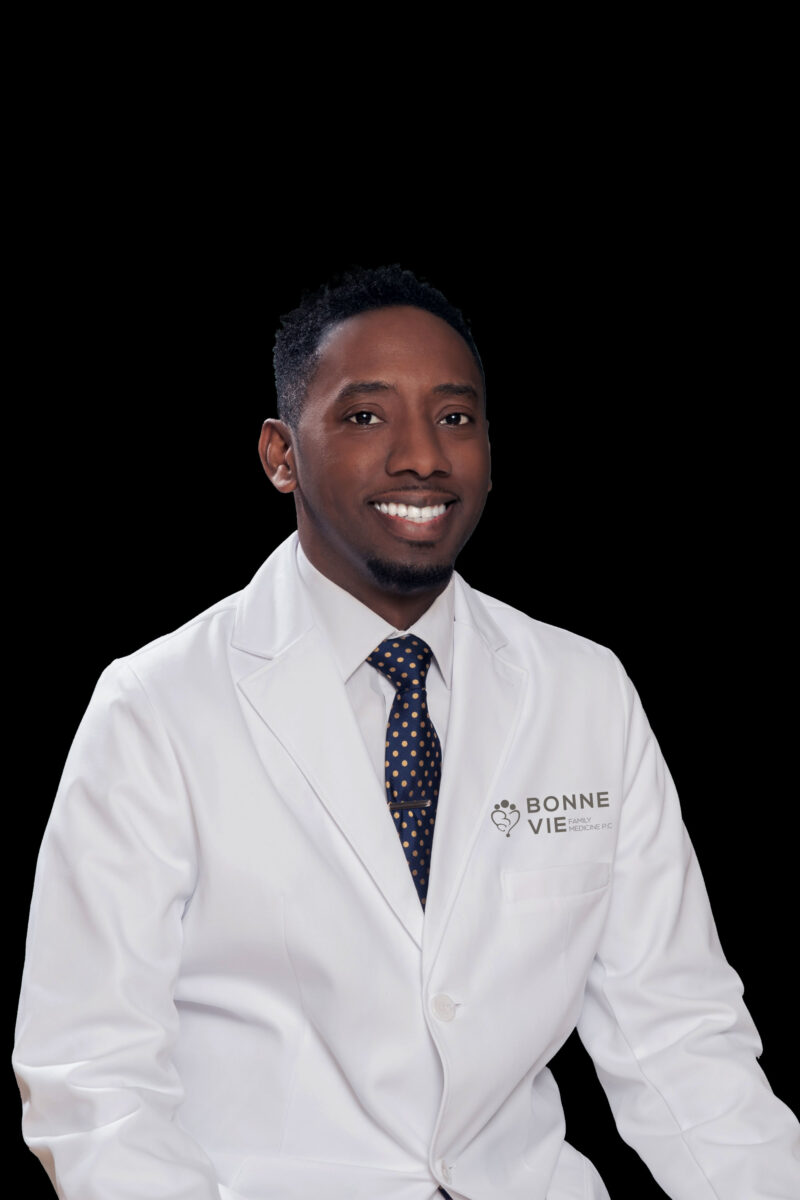
Dr. Sam L. Hash brings over a decade of experience in Family Medicine and Emergency Medicine. He earned his undergraduate degree in Biological Sciences from Pacific Union College in Northern California and completed his medical training at Ross University School of Medicine. Dr. Hash completed a Family Medicine residency at Northwell South Shore University Hospital (formerly Southside) and a fellowship in Emergency Medicine at Island Medical Management/Alteon Health in Birmingham, Decatur, and Cullman, Alabama. He is double board-certified in Family Medicine by the American Board of Family Medicine and in Emergency Medicine by the American Board of Physician Specialists.
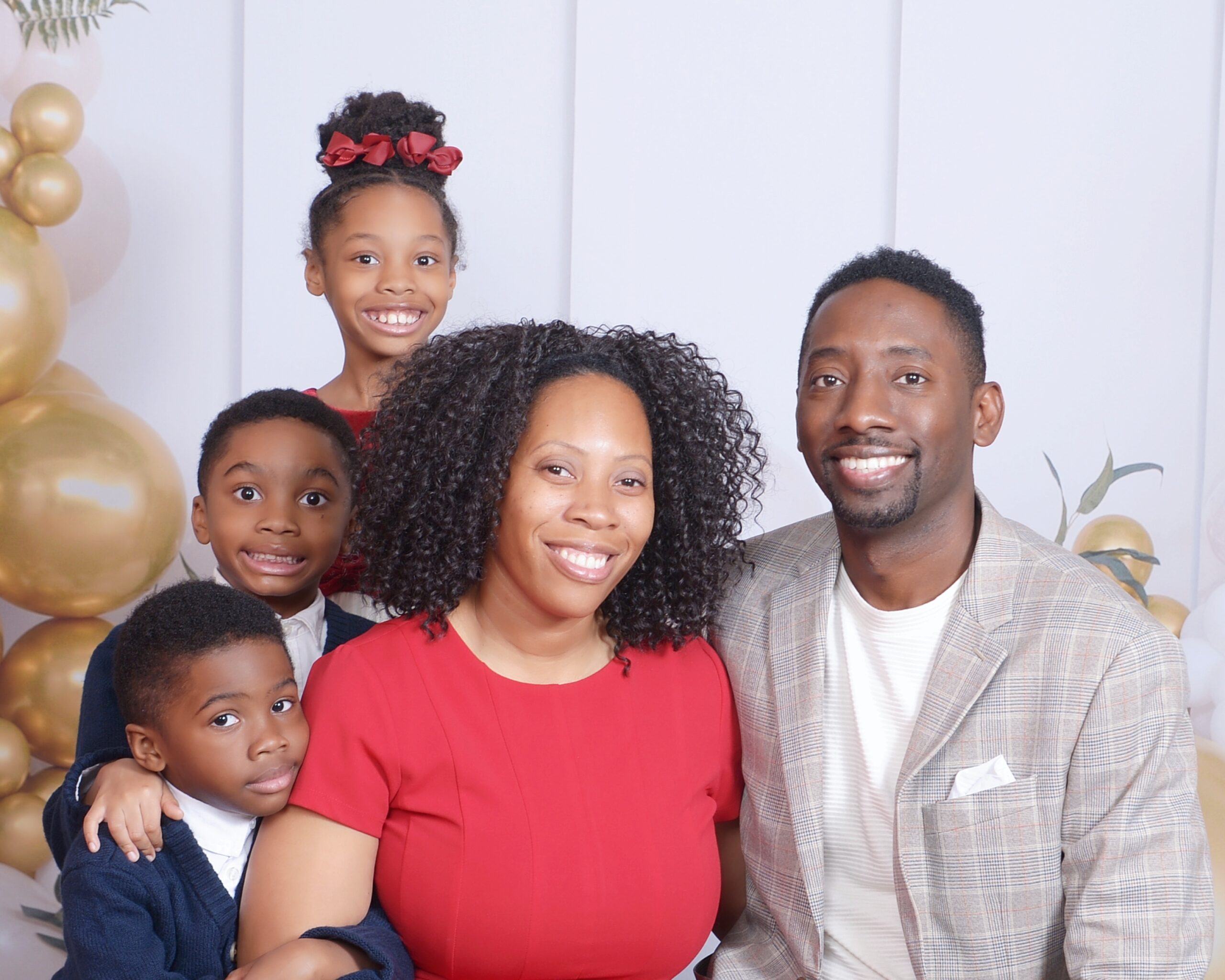
He is deeply committed to building long-term relationships with his patients and supporting individuals and families through every stage of life. Dr. Hash focuses on prevention, patient education, and long-term wellness, and he strives to ensure every patient feels heard, respected, and confident in their care. Outside the office, he enjoys spending time with family and pursuing personal interests that support a healthy, balanced lifestyle.
Q & A with your doctor
I decided to open my own medical office because I truly believe that, if given the chance, most doctors would choose to practice independently. Having my own practice allows me to care for patients the way I feel is right—without layers of red tape, corporate pressures, or outside agendas shaping medical decisions.
Medicine already comes with plenty of challenges: insurance hurdles, state and regulatory requirements, and the constant push to meet administrative demands. Adding another level of obligation to a larger organization can pull attention away from what matters most—the patient.
A small, personal practice gives me the freedom to slow down and really connect. I get to know my patients, and they get to know me. That trust and familiarity create better conversations, clearer understanding, and ultimately, better care. It allows the practice to become part of the fabric of the community—a place where people feel comfortable, heard, and supported.
At the end of the day, I opened my own office because I wanted to create a space where medicine feels personal again.
My core values come from my faith in God and the way I was raised. My parents were incredibly hardworking, and they taught me early on that nothing worth having comes without effort. Their message was simple: work hard, do what’s right, give your best every day, and trust that things will fall into place. That mindset has guided me my whole life.
In medicine, this becomes the foundation of how I practice. A strong work ethic keeps me committed to giving patients the best care possible. When you stay honest, stay accountable, and keep pushing yourself to do things the right way, patients feel safe with you — and that trust is what good medicine is built on.
I’m also a family-centered and community-minded person. I’ve worked hard to get where I am, but I also recognize that I’ve been blessed with a strong support system. My family and community helped shape me, and their example motivates me to keep giving my all, to stay grounded, and to show up for others the same way they showed up for me.
And finally, I believe time is short. So whatever you do, you do it with purpose and you do it well. Work hard, stay kind, spread positivity, and leave things better for the people who come after you
If I weren’t in medicine, I’d probably be doing something with wood, tools, and sawdust. During the pandemic, I survived the stress of emergency department by throwing myself into hands-on projects that took my mind completely away from work. I felt alive again — focused, safe, and energized.
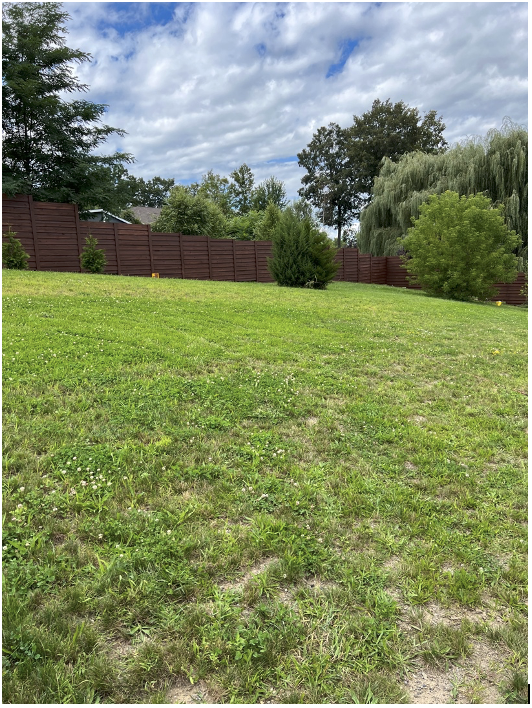
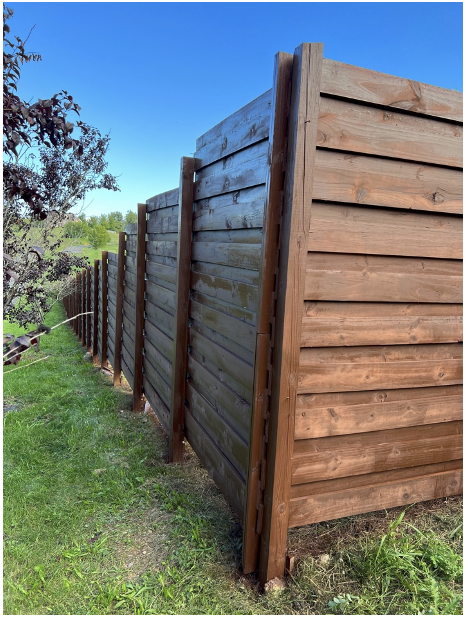
I planted a new lawn, designed a farm-style mailbox, and started collecting lumber and tools like I was preparing for a second career. Before long, I was building a large backyard fence, and it became a bit of a neighborhood attraction. People started calling me the “handy doctor” — the doctor who built his own fence.
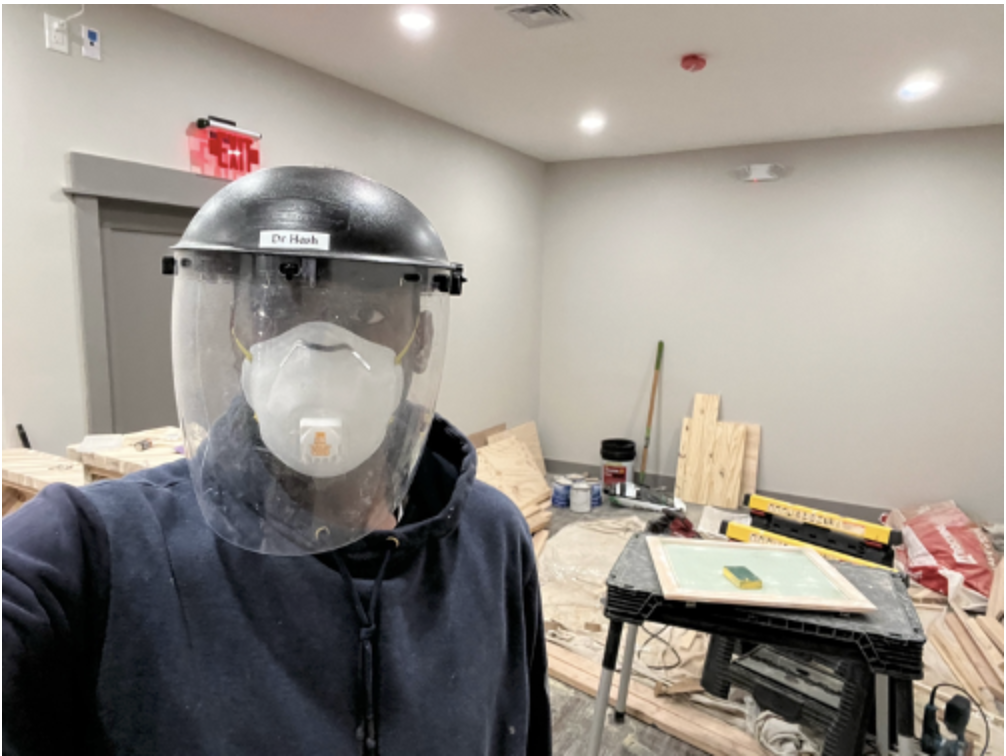
That same love for building carried over into this medical office. I’ve genuinely enjoyed working with the architect to create the right flow, collaborating directly with the builders on the design, and even jumping in to do some of the work myself. I’ve spent time painting, putting in cabinetry, and even doing small plumbing and electrical tasks. It’s incredibly satisfying to see something physical take shape and to know you helped build it with your own hands.
There’s a real sense of pride in measuring angles, cutting wood, fitting joints, and stepping back to say, “I made that.” If I could go back 25 years, I think I would have enrolled in a woodworking apprenticeship and become a master carpenter or builder. Creating something real and lasting feels incredibly rewarding to me.
If I were stuck on a deserted island, I’d bring three things: a machete, a tent, and a lighter.
First, the machete — because when it’s hunting time, I do NOT want to be the prey. I need something to defend myself, cut through brush, gather food, and basically survive without becoming someone else’s dinner.
Second, a tent. I do not like sleeping with bugs. I want to be warm, dry, covered, and protected. If I’m already stranded, the least I can do is get a decent night’s sleep.
And finally, a lighter. I don’t want cold meals, and I’m definitely not going to start rubbing two sticks together. A good fire means warm food, heat at night, and maybe even a little peace of mind.
But let me be honest: realistically, I’m not likely to end up on a deserted island — at least not the “pure jungle” type. I am definitely not signing up for Naked and Afraid. If I’m going to find myself on an island, I’d much rather volunteer for a trip to somewhere like Coco Island in the Maldives, Frégate Island in Seychelles, or Laucala Island in Fiji. I’ve never been to any of these places, but I would love to go. And yes — even in paradise — I’d still bring a good tent. You never know.